
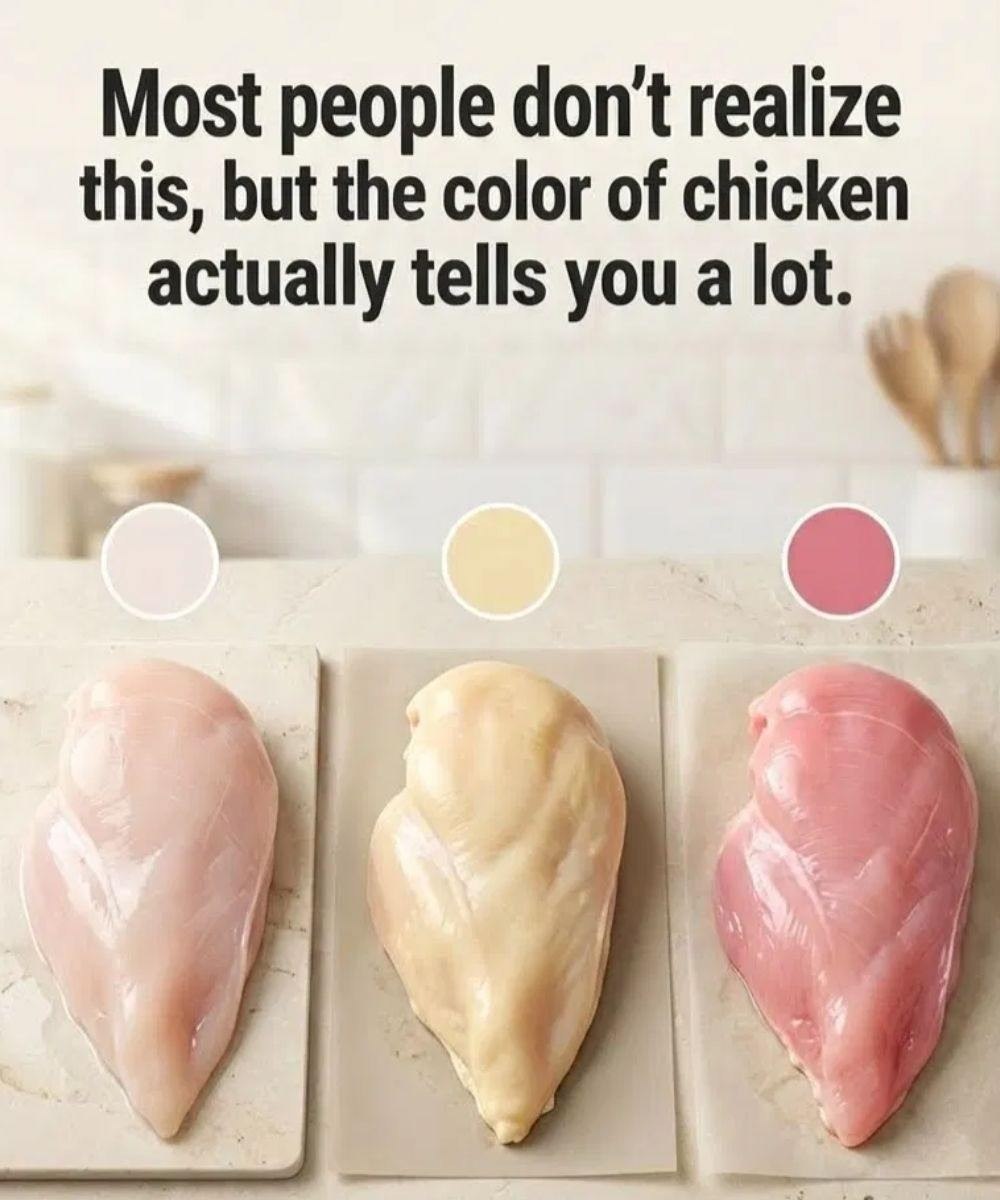
The Story in the Shade of Chicken
In the meat aisle, a simple choice can become a question of color. Two trays of chicken sit side-by-side: one pale and pink, the other with a deep, golden hue. Same cut, similar price, a world of difference in appearance. It’s only human to hesitate, to wonder what that color truly signifies. Is it a sign of additives, or a badge of nutrition? Or is it quietly shaping your expectations before you’ve even glanced at the label?
We are drawn to color, trusting it to tell a story. Yet with poultry, hue is rarely a straightforward indicator of quality. Instead, it whispers clues about a bird’s life—its diet, its environment, the pace at which it grew.
The common pale chicken often speaks of modern scale and efficiency. Typically raised in vast commercial systems, these birds are bred for rapid growth, fed for weight, and live with limited space. The light color reflects this life, one optimized for affordability and volume. While not inherently unhealthy, it tells a tale of speed over natural rhythm.
För fullständiga tillagningssteg, gå till nästa sida eller klicka på Öppna-knappen (>), och glöm inte att DELA med dina Facebook-vänner.
